Our Short List of 3
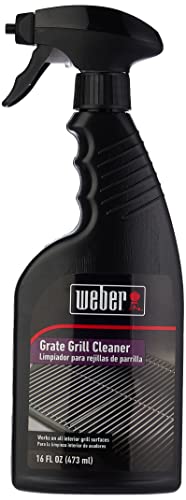
- Best for: Routine cleaning of gas and charcoal grates after regular cooks.
- Size: 16 fl oz (473 ml) spray bottle
- Model: Weber 8027
- Form: Ready-to-use spray
- Named surfaces: Stainless steel and porcelain-enameled cast iron grates

- Best for: Deep cleans on neglected grills with caked-on carbon and grease.
- Size: 24 fl oz
- Form: Super-strength gel
- Targets: Caked-on food, baked-on deposits, carbon, and grease
- Surfaces: Metals, cooking grates and racks, drip pans, grill interiors and exteriors

- Best for: Planned cool-grill cleanups with a citrus, plant-based formula.
- Size: 23 fl oz spray bottle
- Model: CITRUSAFE 3100002
- Active approach: Citrus-based degreaser with d-limonene from citrus peels
- Formula: Non-flammable, non-corrosive, non-toxic, biodegradable, phosphate free
All 5 Picks at a Glance
| Product | Specs | Action |
|---|---|---|
| Weber Grill Grate Cleaner and Degreaser |
| Check price on Amazon |
| Goo Gone Grill and Grate Cleaner |
| Check price on Amazon |
| Citrusafe BBQ Grill Grate Cleaner |
| Check price on Amazon |
 Traeger Grills BAC679 Grill Cleaner |
| Check price on Amazon |
 Kona Professional Grade Grill Cleaner |
| Check price on Amazon |
Key takeaways
- Five BBQ grill cleaners compared for burnt-on grease and carbon, from citrus sprays to a clinging gel, with bottle sizes, safe surfaces, and use tips.
The real decision when you buy a grill cleaner is not which bottle smells nicest. It is whether the formula matches the mess on your grates and the metal those grates are made of. Grease from the last few cooks wipes away with a mild spray, while carbon baked on across a whole season needs a gel that can sit and soften it. Picking wrong means buying twice: a gentle spray that never touches old buildup, or a strong degreaser used on a finish it was never meant to touch.
This roundup is for gas and charcoal grill owners doing routine upkeep, pellet grill owners dealing with greasy drip pans, and anyone opening a neglected grill at the start of the season. Every pick below was chosen from its Amazon listing name and stated specs — bottle size, form, named surfaces, and formula type — so you can match a bottle to your grill before you order.
Quick Picks
As an Amazon Associate we earn from qualifying purchases
| Product | Best for | Key spec from title |
|---|---|---|
| Weber Grill Grate Cleaner and Degreaser | Routine cleaning on gas and charcoal grates | 16 fl oz spray bottle |
| Goo Gone Grill and Grate Cleaner | Season-old carbon and caked-on grease | 24 fl oz super-strength gel |
| Citrusafe BBQ Grill Grate Cleaner | Cool-grill cleaning with a citrus formula | 23 fl oz d-limonene spray |
| Traeger BAC679 Grill Cleaner | Pellet grills and large drip pans | 946 ml spray, pack of 2 |
| Kona Professional Grade Grill Cleaner | Vertical panels and fume-free cleaning | 23 fl oz water-based spray |
How to Choose
Match the Formula Strength to the Buildup
Work out what is actually on your grates before you pick a bottle. Fresh grease from the last few cooks is a thin film, and a mild citrus spray handles it with a short soak and a wipe. Carbon that has baked on across a whole season is a different problem: it needs a stronger gel that can sit on the surface and soften the layer before you scrub. Buying the gentlest formula for a neglected grill leads to repeat applications and frustration, while using the strongest gel on light grease wastes product and adds rinsing you did not need.
Check the Grate Material Before Anything Else
Every cleaner in this roundup names the surfaces it is made for, and those lists are not interchangeable. Porcelain enamel can chip and stain when a formula is too aggressive for it, cast iron brings its seasoning into the decision, and some strong gels draw a hard line at aluminum and faux stainless steel. Read the surface list on the listing against the materials your grill actually uses, including the drip pan and any coated racks. If your grill mixes materials, choose the cleaner whose named surfaces cover the most delicate part you plan to treat.
Spray or Gel, and How Long It Sits
Thin sprays cover a wide grate quickly and suit flat, horizontal surfaces, but they can run off a sloped lid or a vertical panel before they finish working. Gels and thicker liquids cling where you put them, which helps inside a hood or on the wall of a pellet grill, at the cost of a longer wait. Dwell time is part of the spec to compare: some formulas work within a few minutes, while clinging gels may need ten to thirty minutes. Match that wait to how you clean, not just to the mess in front of you.
Size the Bottle to the Grill and the Season
A 16-ounce bottle is easy to store and enough for a small kettle grill cleaned often, but a large gas grill with wide grates and a drip tray can drain it in a few deep cleans. Bigger bottles and multi-packs suit pellet grill owners and anyone who cleans a full cooking chamber every month. Also check where else the formula is cleared to work: several listings here name ovens, smokers, and microwaves, which can make one bottle cover the kitchen as well as the patio. Storage space and how often you cook should drive the size, not habit.
The 5 Best Options
Weber Grill Grate Cleaner and Degreaser
- Best for: Routine cleaning of gas and charcoal grates after regular cooks.
- Size: 16 fl oz (473 ml) spray bottle
- Model: Weber 8027
- Form: Ready-to-use spray
- Named surfaces: Stainless steel and porcelain-enameled cast iron grates
Routine cleaning of gas and charcoal grates after regular cooks.
The listing names stainless steel and porcelain-enameled cast iron, so check your grate material before ordering.
The Weber spray is the bottle to reach for when cleaning is part of the cooking routine rather than a rescue job. Its listing positions it for interior grill components and cooking grate surfaces on gas and charcoal grills, and it names stainless steel and porcelain-enameled cast iron as the grate materials it is made for. The formula is non-toxic and safe on skin according to the manufacturer, so it suits cooks who clean after most sessions and do not want a harsh chemical smell around food surfaces. The same listing also names smokers, ovens, and microwaves as other uses.
Goo Gone Grill and Grate Cleaner
- Best for: Deep cleans on neglected grills with caked-on carbon and grease.
- Size: 24 fl oz
- Form: Super-strength gel
- Targets: Caked-on food, baked-on deposits, carbon, and grease
- Surfaces: Metals, cooking grates and racks, drip pans, grill interiors and exteriors
Deep cleans on neglected grills with caked-on carbon and grease.
Do not use it on aluminum or faux stainless steel; the listing excludes both by name.
Goo Gone is the heavy option in this lineup, built for grates carrying a season of caked-on food, baked-on deposits, carbon, and grease. Instead of a thin liquid, the listing describes a super-strength gel, and that texture matters on a tilted grate or the inside wall of a lid, where a watery spray slides off before it can work. The manufacturer lists it as safe on food-prep surfaces and biodegradable, and names metals, cooking grates and racks, drip pans, and grill interiors and exteriors as the surfaces it covers.
Citrusafe BBQ Grill Grate Cleaner
- Best for: Planned cool-grill cleanups with a citrus, plant-based formula.
- Size: 23 fl oz spray bottle
- Model: CITRUSAFE 3100002
- Active approach: Citrus-based degreaser with d-limonene from citrus peels
- Formula: Non-flammable, non-corrosive, non-toxic, biodegradable, phosphate free
Planned cool-grill cleanups with a citrus, plant-based formula.
The listing limits it to a cool grill, and it is a maintenance spray rather than a heavy carbon remover.
Citrusafe takes the plant-based route, using d-limonene from citrus peels as its degreasing agent. The listing is explicit that the spray goes on a cool grill only, which makes it a fit for planned cleanups rather than a quick wipe between batches on a hot grate. It is non-flammable, non-corrosive, non-toxic, biodegradable, and phosphate free according to the product highlights, and the named uses run from gas and charcoal grills to cookers, smokers, ovens, and microwaves. Expect it to shine on routine grease rather than thick, old carbon.
Traeger Grills BAC679 Grill Cleaner
- Best for: Pellet grill owners cleaning large chambers and drip pans often.
- Model: Traeger BAC679
- Size: 946 ml (32 fl oz) per bottle, pack of 2
- Form: Spray
- Scent: Citrus
Pellet grill owners cleaning large chambers and drip pans often.
It is positioned for Traeger grills and accessories, and the 946 ml bottles need real shelf space.
Traeger built the BAC679 for its own pellet grills and accessories, and the listing leans on grease cutting without harmful chemicals. Each bottle holds 946 ml, the largest single container in this roundup, and this listing is a pack of two, so it suits households that clean a big cooking chamber and a drip pan often. The formula is non-toxic and biodegradable with a citrus scent, and Traeger describes the bottle as capped and bagged so the liquid stays put in transit and storage.
Kona Professional Grade Grill Cleaner
- Best for: Fume-free cleaning of grates, hoods, and ovens in enclosed spaces.
- Size: 23 fl oz
- Form: Liquid spray
- Formula: Water-based, non-toxic, fume-free; phosphate free, bleach free, solvent free
- Targets: Burnt-on grease and carbon buildup
Fume-free cleaning of grates, hoods, and ovens in enclosed spaces.
The formula works while it sits, so plan for dwell time instead of an instant spray-and-wipe.
Kona’s Professional Grade spray is the fume-free entry here, a water-based liquid made for people who clean in a garage or kitchen and want no harsh chemical odor. The listing says it cuts through burnt-on grease and carbon buildup and is safe for stainless steel and grill grates, and the formula clings to vertical surfaces instead of dripping off the inside of a hood. It is phosphate free, bleach free, and solvent free per the listing’s ingredient notes, and Kona also names ovens, air fryers, and smokers as uses.
Which One Fits Your Situation
You Wipe the Grates Down After Most Cooks
You do not let buildup start, so a ready-to-use spray beats a heavy gel you will rarely need. The Weber spray fits gas and charcoal grates made of stainless steel or porcelain-enameled cast iron and doubles for smokers and ovens. If you prefer a citrus formula and always clean on a cool grill, Citrusafe covers the same routine with a plant-based spray and a larger bottle.
The Grill Sat Unused for Months
Old carbon and caked-on food need dwell time more than they need elbow grease. Goo Gone’s gel is the pick here: it clings to tilted grates and lid walls, softens baked-on deposits, and is listed for drip pans and interiors as well as racks. Check first that nothing you plan to treat is aluminum or faux stainless steel, the two materials its listing excludes.
You Cook on a Pellet Grill Every Week
Pellet grills spread grease across a large chamber, a drip pan, and the grates, so bottle size starts to matter. The Traeger BAC679 two-pack gives you 946 ml per bottle with a formula Traeger positions for its own grills and accessories, and the citrus scent suits an enclosed cooking chamber. It also covers the between-cook wipe-downs that keep a pellet grill from smoking old grease.
You Clean Indoors and Hate Chemical Smells
Kona’s Professional Grade spray is water-based and fume-free, which makes it the practical choice for a garage, a balcony, or a kitchen oven that shares duty with the grill. It clings to vertical surfaces, so the inside of a hood gets the same treatment as the grates, and the listing also names air fryers and smokers.
Common Mistakes
- Spraying a cool-grill-only formula onto hot grates, which flashes the liquid off, weakens the clean, and works against the finish the listing was written to protect.
- Skipping the surface list and using a strong gel on aluminum or faux stainless steel, two materials at least one listing in this roundup excludes by name.
- Scrubbing immediately instead of letting the formula sit for its dwell time, then blaming the cleaner for buildup it was never given time to soften.
- Cleaning only the grates while leaving the drip pan and interior walls coated, so old grease keeps smoking and flavoring the next cook.
- Mixing two different cleaners on the same surface to chase a faster result, which can react badly and ignores the guidance either label gives.
Frequently Asked Questions
Can I spray grill cleaner on hot grates?
Most of these formulas are written for cool or warm surfaces, and at least one listing, Citrusafe, says cool grill only. Heat flashes liquid off before it can loosen grease, and overspray on hot metal is harder to control. Let the grates cool until you can hold a hand nearby comfortably, then apply the cleaner.
Is a citrus cleaner strong enough for baked-on carbon?
Citrus formulas built on d-limonene are degreasers first, so they handle routine grease and light buildup well. Thick carbon that has baked on over a season usually needs a gel with a longer dwell time, like the Goo Gone entry here. Many owners keep both: citrus for weekly upkeep, gel for the deep clean.
Do I need to rinse the grates after cleaning?
Food-contact surfaces should be rinsed or wiped with clean water after cleaning unless the label says otherwise, and the grill should be dry before the next cook. A short heat-up with the lid open before food goes on helps clear any remaining moisture and residue from the grate surface.
How often should a grill get a deep clean?
That depends on use, but a workable rhythm is a light spray-and-wipe after heavy cooks and a full deep clean with dwell time at the start and end of the season. Pellet grills need the drip pan checked more often, because grease collects there between sessions and changes how the grill cooks.