Our Short List of 3

- Best for: Flattening new sod on a mid-size lawn.
- 20-inch heavy-duty steel drum
- 15.9 gallon water or sand fill capacity
- Up to 202 pounds when filled
- Push and tow-behind design
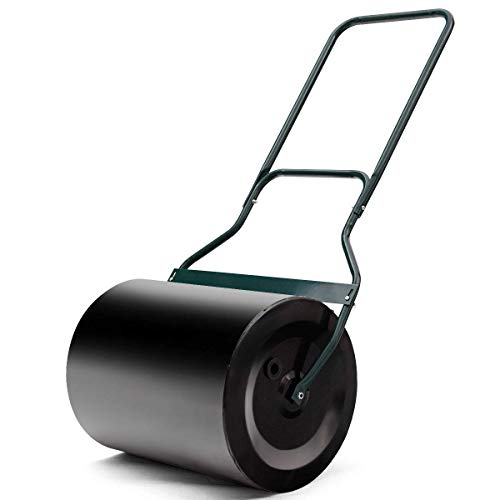
- Best for: Smaller yards and patch work.
- 16 gallon (60 litre) capacity
- 16 by 20 inch steel drum
- Heavy-duty steel construction
- Push, pull and tow-behind use

- Best for: Larger lawns needing more weight than a 16-gallon roller gives.
- 17 gallon (63 litre) capacity
- Steel sod drum
- Push or tow-behind design
- Detachable gripping handle
All 4 Picks at a Glance
| Product | Specs | Action |
|---|---|---|
| Outsunny 20-Inch Push/Tow Behind Lawn Roller |
| Check price on Amazon |
| Goplus 16 Gallon Lawn Roller |
| Check price on Amazon |
| Goplus 17 Gallon Lawn Roller |
| Check price on Amazon |
 Goplus 36-Inch Lawn Roller |
| Check price on Amazon |
Key takeaways
- Compare the best steel lawn rollers for flattening sod and leveling your yard. See drum sizes, fill capacities and push or tow designs before you choose.
Fresh sod looks perfect on the day it goes down and uneven a week later. Seams lift, soft spots sink, and the lawn ends up with ridges that catch the mower and trip bare feet. A steel lawn roller fixes that by pressing the turf firmly against the soil underneath, closing air gaps so roots can take hold. The real buying decision is how much weight you need and how you plan to move it, because a roller that is too light will not flatten anything and one that is too heavy becomes a chore to push across a large yard.
This guide is for homeowners laying new sod, reseeding bare patches, or smoothing a bumpy lawn after winter. Each roller below was chosen from its Amazon product title and listed specifications, so drum width, fill capacity and handle design are all drawn from the listing itself. Compare the sizes, decide whether you will push by hand or tow behind a tractor, and pick the roller that matches your yard.
Quick Picks
As an Amazon Associate we earn from qualifying purchases
| Product | Best for | Key spec from title |
|---|---|---|
| Outsunny 20-Inch Push/Tow Behind Lawn Roller | Flattening new sod on a mid-size lawn | 20-inch steel drum, 16 gallon water or sand fill |
| Goplus 16 Gallon Lawn Roller | Smaller yards and patch work | 16 gallon, 16 by 20 inch steel drum |
| Goplus 17 Gallon Lawn Roller | Larger lawns needing more weight | 17 gallon, push or tow behind, steel sod drum |
| Goplus 36-Inch Lawn Roller | Covering wide lawns in fewer passes | 36-inch steel drum, 17 gallon capacity |
How to Choose
Match Drum Width to Your Yard Size
Drum width decides how many passes a lawn needs. A 20-inch drum suits a typical suburban yard, where it fits through gates and around beds without much trouble. A 36-inch drum covers a large open lawn far faster, but it struggles in tight corners and narrow side yards. Measure the narrowest gap the roller must pass through, such as a garden gate, before choosing. A wider drum saves time on open ground, while a narrower drum saves frustration where space is tight.
Decide How Much Weight You Need
A roller only works when it is heavy enough to press turf into the soil. Most steel rollers gain weight from water or sand poured into the drum, so the fill capacity sets the maximum pressure. A 16-gallon drum filled with water gives enough weight for fresh sod and light leveling, while a 17-gallon drum adds a little more for stubborn bumps. Sand weighs more than water for the same volume, so it suits lawns that need firmer pressing. Pick a capacity that matches the job, and remember that a full roller is heavy to move.
Choose Push, Pull or Tow Behind
How the roller connects to you or your tractor changes how pleasant the job feels. A push roller with a U-shaped handle works well on flat lawns and gives you full control around beds and trees. A tow-behind design hooks to a garden tractor and covers large areas with little effort, though it needs open space to turn. Some rollers do both, with a handle that detaches when you hitch them to a tractor. Think about the size of your lawn and whether you own a tractor before settling on a design.
Check Build Quality and Storage
Steel drums handle stones and rough ground better than plastic ones, but the finish matters too. A coated steel drum resists rust when the roller sits in a damp shed, and rounded drum edges turn smoothly without digging into soft turf. Look for a drain plug that makes emptying the drum simple, because a roller should be stored empty so it stays light and rust-free. Handles that split into pieces store in less space. These small details decide whether the roller lasts for years or starts rusting after one season.
The 4 Best Options
Outsunny 20-Inch Push/Tow Behind Lawn Roller
- Best for: Flattening new sod on a mid-size lawn.
- 20-inch heavy-duty steel drum
- 15.9 gallon water or sand fill capacity
- Up to 202 pounds when filled
- Push and tow-behind design
Flattening new sod on a mid-size lawn.
Assembly is required, and some owners find the instructions brief, so set aside time for the first setup.
The Outsunny 20-inch roller is a solid middle ground for homeowners flattening fresh sod. Its steel drum holds 15.9 gallons of water or sand, which adds up to 202 pounds of pressing weight when full, enough to settle sod seams and smooth out soft spots without tearing the turf. The U-shaped handle splits into three pieces for storage and detaches entirely when you hitch the roller behind a tractor. Rounded drum edges help it turn on soft ground, and the drain plug makes emptying quick at the end of the job. At 22 pounds empty, it is easy to carry to the lawn before filling.
Watch out for: Assembly is required, and some owners find the instructions brief, so set aside time for the first setup.
Goplus 16 Gallon Lawn Roller
- Best for: Smaller yards and patch work.
- 16 gallon (60 litre) capacity
- 16 by 20 inch steel drum
- Heavy-duty steel construction
- Push, pull and tow-behind use
Smaller yards and patch work.
The 16-gallon capacity gives less pressing weight than larger rollers, so very bumpy ground may need several passes.
The Goplus 16-gallon roller suits smaller yards where a big drum would be awkward. Its 16 by 20 inch steel drum holds 60 litres of water or sand, giving enough weight to press down patchy turf and level seedbeds without exhausting the person pushing it. The push, pull and tow-behind design means it works by hand on a modest lawn and behind a tractor when the job grows. A U-shaped handle gives a comfortable grip, and the steel drum stands up to stones and rough ground that would crack a plastic roller. For a homeowner with a compact yard, this size hits a practical balance.
Watch out for: The 16-gallon capacity gives less pressing weight than larger rollers, so very bumpy ground may need several passes.
Goplus 17 Gallon Lawn Roller
- Best for: Larger lawns needing more weight than a 16-gallon roller gives.
- 17 gallon (63 litre) capacity
- Steel sod drum
- Push or tow-behind design
- Detachable gripping handle
Larger lawns needing more weight than a 16-gallon roller gives.
A full drum is heavy to push uphill, so plan your rolling route to work with the slope of the yard.
The Goplus 17-gallon roller adds a step up in weight for lawns that need firmer pressing. Its steel sod drum holds 63 litres of water or sand, and the extra volume over the 16-gallon model shows up as deeper, more even compaction on fresh sod and reseeded areas. The detachable gripping handle works for pushing by hand, and the roller can also be pulled behind a tractor for larger lawns. The steel drum resists dents from stones and roots, which keeps the rolling surface smooth season after season. It is a straightforward choice when a mid-size roller feels slightly too light.
Watch out for: A full drum is heavy to push uphill, so plan your rolling route to work with the slope of the yard.
Goplus 36-Inch Lawn Roller
- Best for: Covering wide lawns in fewer passes.
- 36-inch steel drum
- 17 gallon capacity
- Push, pull and tow-behind use
- Water or sand fill
Covering wide lawns in fewer passes.
The wide drum needs open space to turn, so it suits large lawns better than small fenced yards.
The Goplus 36-inch roller is built for wide open lawns where a narrow drum would take all afternoon. Its 36-inch steel drum spans a broad path with every pass, so large areas of fresh sod or a newly seeded lawn get covered in far fewer trips across the grass. The 17-gallon capacity fills with water or sand to give the weight needed for firm compaction, and the push, pull and tow-behind design means it can be handled by hand on flat ground or hitched to a tractor for big jobs. For acreage and large properties, the wide drum turns a long chore into a manageable one.
Watch out for: The wide drum needs open space to turn, so it suits large lawns better than small fenced yards.
Which One Fits Your Situation
You Just Laid Fresh Sod
Choose the Outsunny 20-inch roller. Its 202-pound filled weight presses sod seams firmly against the soil so roots make contact, and the 20-inch drum is wide enough to work quickly yet narrow enough to steer around beds and trees. Empty it through the drain plug when the job is done so it stores light.
You Have a Small Yard With Bare Patches
Choose the Goplus 16-gallon roller. The compact 16 by 20 inch drum fits through narrow gates and around planting beds, and the weight is enough to settle patchy turf and level a seedbed. Its push design keeps the work simple without needing a tractor. The lighter drum is also easier to lift over steps and through narrow side gates.
Your Lawn Has Stubborn Bumps
Choose the Goplus 17-gallon roller. The extra gallon of fill over the 16-gallon model adds pressing weight that helps flatten uneven ground and firm up reseeded areas. Push it by hand on a modest lawn or tow it behind a tractor when the bumpy area is large. Work in two directions for the best result, rolling across the bumps first and then along them.
You Maintain a Large Open Lawn
Choose the Goplus 36-inch roller. The wide drum covers broad ground in far fewer passes, which matters when the lawn stretches across a large property. Hitch it to a tractor for the fastest work, and use the push handle for edges and corners the tractor cannot reach. The wide drum also cuts down on turns, which saves time when every pass across the lawn is long.
Common Mistakes
- Rolling a lawn when the soil is soaking wet, which compacts the ground too much and damages grass roots.
- Filling the drum with sand and leaving it full in storage, which invites rust and makes the roller hard to move.
- Choosing a drum too wide for the garden gate, so the roller cannot reach the back lawn at all.
- Rolling dry sod that has not been watered first, which leaves air gaps under the turf.
- Expecting one pass to fix a badly rutted lawn instead of rolling in several directions over a few sessions.
Frequently Asked Questions
Should I fill a lawn roller with water or sand?
Water is easier to add and drain, and it gives enough weight for fresh sod and light leveling. Sand weighs more for the same volume, so it suits lawns that need firmer pressing or have stubborn bumps. Either way, empty the drum after use so the roller stays light in storage and the steel does not sit in moisture.
When is the best time to use a lawn roller?
Roll after laying fresh sod, after overseeding, or in spring when the ground is soft but not soaking wet. Water the lawn lightly first so the turf is damp and flexible. Avoid rolling when the soil is muddy, because a heavy roller can compact wet soil too much and harm the grass roots underneath.
Can I tow a lawn roller behind a tractor?
Yes, if the roller is designed for tow-behind use. Look for a hitch point or a handle that detaches for towing in the product description. Tow-behind rolling suits large lawns, while push rolling gives better control around beds, trees and narrow paths. Some rollers do both, which covers more situations.
How heavy should a lawn roller be?
It depends on the job. A roller filled to around 200 pounds suits most fresh sod and leveling work on a home lawn. Lighter rollers work for small patch jobs, while heavier fills help with uneven ground. Start with water, check the result after one pass, and add sand only if the lawn still needs firmer pressing.