Our Short List of 3
All 3 Picks at a Glance
| Product | Specs | Action |
|---|---|---|
 CERAKOTE Ceramic Trim Coat Kit | Check price on Amazon | |
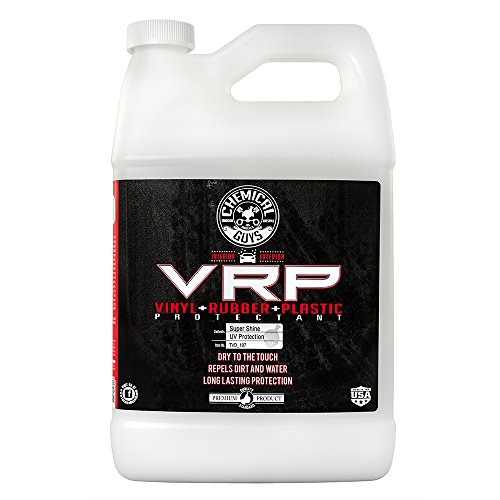 Chemical Guys VRP Vinyl, Rubber, and Plastic Dressing | Check price on Amazon | |
 Meguiar’s Ultimate Black Plastic Restorer | Check price on Amazon |
Key takeaways
- Restore faded black vinyl and plastic trim with three proven options: a ceramic coating kit, a water-based dressing and a UV-protective restorer gel compared.
Black vinyl and plastic trim fades faster than almost any other surface on a vehicle. Sunlight breaks down the surface, the rich black turns chalky gray, and bumpers, mirror housings, cowl panels and side moldings start to make an otherwise clean car look tired. A black vinyl restorer reverses that appearance in one of three ways: a coating that bonds to the surface, a dressing that feeds and darkens it, or a gel that restores color while leaving ultraviolet protection behind. The three products below cover all three approaches, and each one is a genuine vinyl and trim restorer sold on Amazon in the United States.
Disclosure: As an Amazon Associate, this site may earn from qualifying purchases made through links in this article, at no additional cost to you.
The Picks at a Glance
- CERAKOTE Ceramic Trim Coat Kit — a ceramic coating in wipe form, for trim that has already faded and needs the longest-lasting correction.
- Chemical Guys VRP Vinyl, Rubber, and Plastic Dressing (128 oz) — a water-based dressing for vinyl, rubber and plastic inside and out, in a gallon size suited to frequent use.
- Meguiar’s Ultimate Black Plastic Restorer (12 oz) — a restorer gel for exterior plastic, vinyl and rubber trim with an emphasis on UV protection and a dry finish.
CERAKOTE Ceramic Trim Coat Kit
CERAKOTE approaches faded trim as a coating problem rather than a dressing problem. The kit contains pre-saturated wipes loaded with an inorganic ceramic coating. You clean the trim, wipe the coating on in even strokes, and let it cure. The maker states the restored finish is guaranteed to last through more than 200 washes, a durability claim no wipe-on dressing in this comparison attempts to match, and the finish dries to a natural black rather than a wet or greasy shine.
The application demands more care than the other two picks. Because the coating bonds where it lands, streaks and high spots cannot simply be buffed away afterward, and large flat panels such as Avalanche-style sail panels are the hardest to keep even. Work panel by panel, keep strokes in one direction, and wear the gloves the kit format implies. The kit is sized for trim, mirror caps, cowls and bumper inserts rather than whole-vehicle coverage, and the surface must be genuinely clean and dry before the first wipe touches it.
Choose this kit when the trim has already turned gray and you want to correct it once and maintain it rarely. It is the strongest choice in this group for a vehicle that lives outdoors in strong sun.
Chemical Guys VRP Vinyl, Rubber, and Plastic Dressing
VRP stands for vinyl, rubber and plastic, and this dressing is built for exactly the surfaces this keyword is about. The formula is water-based and non-greasy, and it dries to the touch instead of leaving the slick film that attracts dust. On vinyl it restores a deep black appearance to dashboards, door panels and weatherstripping; on exterior trim and tires it brings back color while adding a layer of protection against weather and heat.
This listing is the 128 oz gallon (model TVD_107SW), which suits owners who maintain several vehicles or who dress interior vinyl often enough that small bottles disappear quickly. The same formula is also sold in smaller bottles under separate listings, so check which size you are ordering. Application is the simplest of the three picks: apply to a foam pad or cloth, spread evenly, and wipe away the excess. Because it is a dressing rather than a coating, the effect fades gradually over weeks and washes rather than failing suddenly, and reapplication takes minutes.
Choose VRP when your vinyl is dull rather than severely faded, when you want one product for interior and exterior surfaces, or when you prefer easy, repeatable upkeep over a one-time coating job.
Meguiar’s Ultimate Black Plastic Restorer
Meguiar’s Ultimate Black (model G15812) is a 12 oz restorer formulated for non-painted exterior plastic, vinyl and rubber trim: bumpers, moldings, door handles, mirror housings and windshield cowlings are the maker’s named targets. It restores a rich dark finish and is built around durability and UV protection, so the result is meant to survive sun exposure and washing rather than rinse away at the first rain.
The texture is a gel-like lotion that spreads with a foam applicator and levels out without the heavy shine of older silicone dressings. Meguiar’s directs users to keep it off glass, paint, tire tread, leather and clear plastic, which is standard practice for this product type. A newer 16 oz version of Ultimate Black also exists on the marketplace under its own listing; this pick is the long-running 12 oz bottle, which remains widely stocked by marketplace sellers.
Choose Ultimate Black when you want a familiar, single-bottle solution for exterior trim, when UV exposure is the main cause of your fading, or when the trim is textured and needs a product that works into the grain without leaving white residue in it.
How to Choose Between a Coating, a Dressing and a Gel
How faded is the trim? Light dullness responds to any of the three. Trim that has gone gray or chalky needs the pigment-level correction of the CERAKOTE coating or repeated gel applications.
How long should the result last? The ceramic coating is measured in seasons. The gel holds through repeated washing. The dressing is measured in weeks and is meant to be refreshed as part of regular washing.
Where is the vinyl? Interior vinyl and dashboards should only receive the dressing; coatings and exterior gels are formulated for outside surfaces and are too aggressive in solvents and sheen for a dashboard.
How much trim do you have? A truck with full cladding consumes product quickly. The gallon dressing wins on coverage per container; the coating kit wins on time between applications.
Application Steps That Decide the Result
Every restorer fails on dirty trim. Wash the vehicle first and clean the trim itself with an all-purpose cleaner and a soft brush so the product reaches the surface instead of sitting on road film. Dry the trim fully; water trapped in textured grain causes blotches under coatings and gels alike. Mask painted edges with tape when using the coating. Apply thin coats rather than one heavy coat, and keep the vehicle out of rain until the product’s stated curing or drying window has passed. For dressings, a second light coat after the first has dried evens out most streaking.
Why Trim Fades, and What Restoration Can and Cannot Do
Understanding the fade helps you pick the right category the first time. Black trim is usually polypropylene or a similar plastic with carbon black pigment. Ultraviolet light breaks the polymer chains at the surface, and the damaged layer scatters light instead of absorbing it, which the eye reads as gray or white chalkiness. Heat accelerates the process, which is why horizontal surfaces and sun-side panels fade first, and why vehicles in southern climates suffer more than identical vehicles kept further north. A dressing works at the surface: it wets and darkens the damaged layer so it looks black again, and adds a sacrificial film that takes the next round of UV in the plastic’s place. A gel restorer does the same job with a thicker, longer-wearing film and, in formulas like the Meguiar’s above, a stronger UV-screening package. A ceramic coating goes one step further and cures into a hard, bonded layer that physically seals the damaged surface under a new finish. None of the three reverses the polymer damage itself, which is why deeply oxidized trim that has turned rough or begun to crack is beyond cosmetic rescue: the color can be improved, the texture cannot. Judged honestly against that limit, all three picks perform — the choice is between sealing the damage in, covering it durably, or refreshing it as routine maintenance.
A realistic expectation check belongs in any restorer guide. On trim faded to a uniform light gray, the coating will return a deep black that reads as new from a few steps away. On trim with patchy oxidation, water spotting baked into the grain, or contamination from earlier silicone products, even the best product here will leave some variation visible up close, because it is coloring a damaged surface rather than replacing it. The honest sequence for badly neglected trim is clean, assess, then restore — and if a panel is cheap and easily replaceable, weigh the effort honestly, because some cowl panels and mirror caps cost less in time than they do as restoration projects. For everything short of that extreme, the three products above cover the realistic range of fade.
Frequently Asked Questions
Will a black vinyl restorer work on gray or colored trim?
These products are made for black trim. On gray or colored vinyl they darken the appearance unevenly, so test an inconspicuous area first or choose a clear protectant instead.
Can these products fix trim that has turned white and rough?
They can restore color to oxidized trim, but if the surface has become rough or cracked, that texture is physical damage. A restorer improves the look; it does not rebuild the plastic.
How do I keep restored trim from fading again?
Park in shade where possible, wash with a pH-balanced soap rather than harsh detergents, and refresh dressings on a regular schedule. UV exposure is cumulative, so protection is maintenance, not a single event.
Is a ceramic trim coating removable?
Once cured, a ceramic coating wears away gradually rather than washing off. That permanence is its advantage, but it is also why careful application matters.
Can I use these on tires?
The VRP dressing is formulated for tires as well as trim. The coating kit and the Meguiar’s gel are intended for trim and plastic; keep them off tire tread in all cases.
Verdict
For trim that has already faded hard, the CERAKOTE Ceramic Trim Coat Kit (B07SHJVK4G) is the most durable correction of the three. For routine care of vinyl inside and out, the Chemical Guys VRP gallon (B003U4T4PU) is the most flexible and economical format to keep on the shelf. For a single-bottle exterior fix with strong UV protection, Meguiar’s Ultimate Black (B0055PD1H4) remains the dependable standard. Match the product to the severity of the fade and all three will do the job their labels describe.